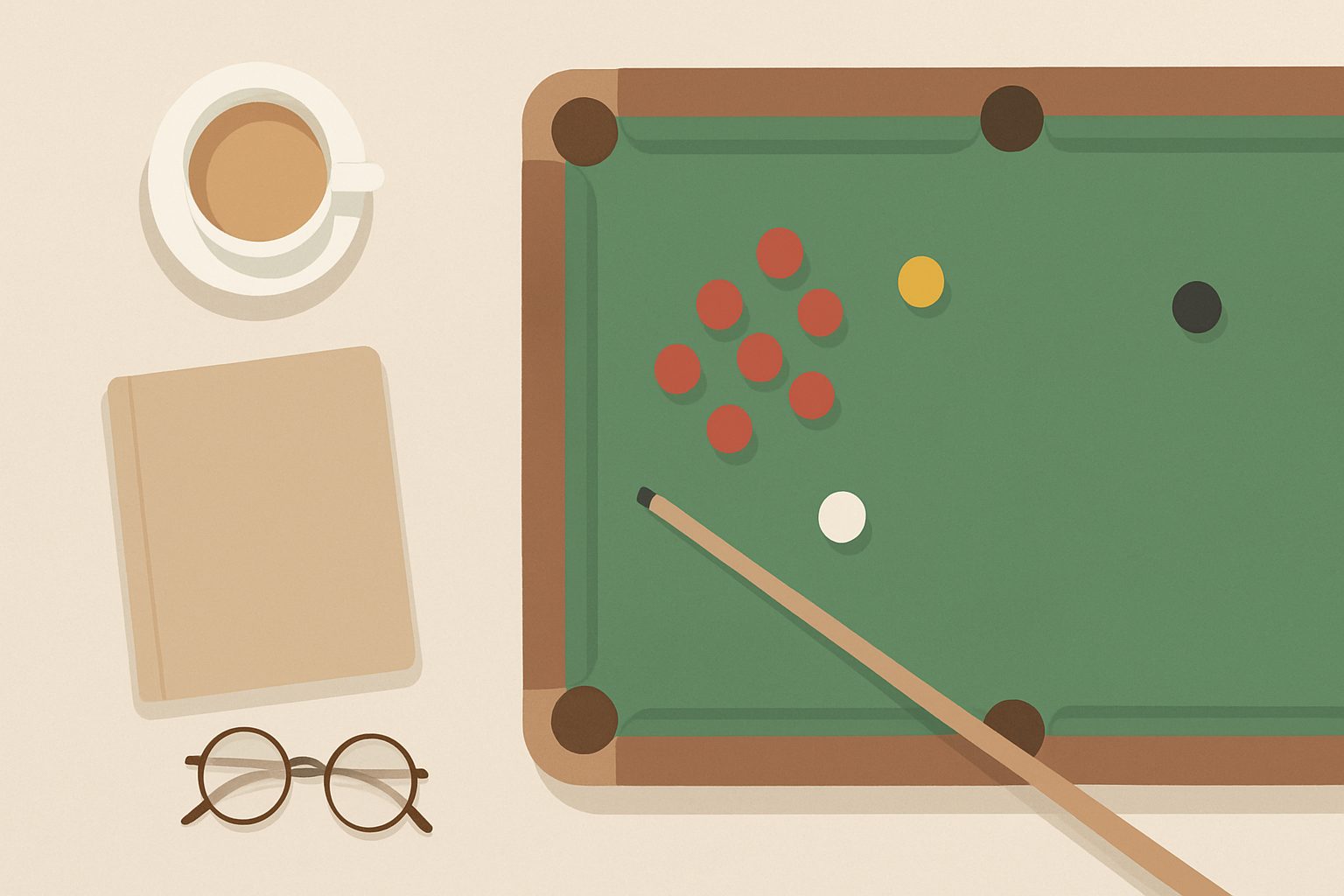
Best Snooker Dining Tables UK 2026: Top 2-in-1 Picks for Stylish Homes
Converting your sitting room into a games space has never been easier. If you're after the best snooker dining table for your UK home, you're weighing a genuine trade-off: the convenience of a dual-purpose piece against the compromises both functions demand. This guide cuts through the marketing speak and looks at what actually works.
Why 2-in-1 Tables Appeal to Homeowners
Space is the honest reason most people choose a convertible dining-snooker table. A dedicated snooker table needs at least 12 feet by 6 feet bare, plus room to move around it with a cue. A dining table that flips to become a snooker table lets you have both without knocking down walls. That practical appeal is real—until you actually play on one.
The other draw is aesthetic. A traditional slate snooker table dominates a room. A piece that looks like proper dining furniture and plays snooker? That's the fantasy. How well the reality matches depends heavily on the specific model.
The Design Problem: Mass vs. Stability
Here's what manufacturers don't emphasise enough: snooker tables need weight. Slate beds are heavy because mass stops vibration and keeps the playing surface consistent when you hit a ball. A dining-snooker hybrid weighs less than a dedicated snooker table to stay moveable and look residential.
This matters. Hit a firm shot and you might feel a faint shift underneath. That's the whole frame responding. On a £3,000+ slate snooker table, that doesn't happen. On a £1,200 convertible? It does.
Best practice is to place your table against a wall on at least one end and avoid pushing it around frequently. Once it's positioned, treat it like a dining table that happens to have a second function, not a primary snooker table that occasionally serves dinner.
Playability vs. Surface Finish
Most mid-range convertible tables use MDF or compressed wood with a cloth surface rather than slate. This keeps cost and weight down. The cloth is typically a standard tournament weave—adequate for casual play, not a limitation worth losing sleep over if you're not competing.
What you do notice: the cushion response isn't as uniform as slate. Corner pockets on some models feel slightly different from side pockets. Again, this isn't a dealbreaker for social play. It is if you're serious about your technique.
The wood base also means the surface isn't perfectly flat over time. Temperature and humidity will eventually cause minor warping. Slate expands and contracts negligibly. You're trading long-term consistency for upfront affordability and flexibility.
What Separates the Better Models
The difference between a decent convertible and a poor one comes down to:
- Leg construction. Solid hardwood legs with proper bracing. Avoid hollow or thin frames—they flex noticeably when you lean against the table during play.
- Cushion quality. Run your hand along the rails. Cushions should feel firm and consistent all the way around. Cheaper tables sometimes have noticeably softer corners.
- Dining fit. Some tables have an awkward leg placement for chairs. Check the clearance spec against standard dining chair height (typically around 45cm from seat to table surface). You want at least 30cm of thigh space.
- Finish quality. Walnut and oak veneers age better than gloss-finished boards, which show scratches and dust easily. If style matters to you, wood tone finishes are more forgiving.
Size Considerations
Convertible tables come in roughly three sizes. Seven-footers (about 2.1m × 1.1m) are popular for homes. They're compact enough for most sitting rooms but don't feel cramped when playing. Six-footers are genuinely tight; eight-footers demand serious floor space and look unwieldy as a dining table.
Seven feet is the sweet spot for a home setup. It'll handle a standard dining setting (seats four to six comfortably) and gives you enough table for a proper snooker game. You can actually play position play and safe shots rather than just potting balls.
The Honest Trade-Off
If you own a dedicated snooker table, you won't switch to a convertible and feel better about it. But that's comparing two different products. If you want something that plays snooker and also seats your family for dinner without taking up 40 square feet, a good convertible table isn't a compromise—it's a practical solution.
You're accepting that neither function is optimised to 100%. Snooker enthusiasts will notice the difference in play. Interior designers might cringe at the slightly awkward proportions. But if you use both functions regularly, a well-made convertible is cheaper and more sensible than buying a dining table and a snooker table separately and stacking them in the garage.
Choose one with solid construction, consistent cushioning, and a finish that matches your home. Play cautiously with positioning and movement—don't treat it like a light portable table. If you do that, you'll get genuine value from a piece that actually works for the space you have.
More options
- Home Snooker Tables (All Sizes) (Amazon UK)
- Slate Bed Snooker Tables (Amazon UK)
- Snooker Table Accessories & Bundle Sets (Amazon UK)
- Snooker Cue Sets (Amazon UK)
- Snooker Table Cloth & Re-Clothing Kits (Amazon UK)