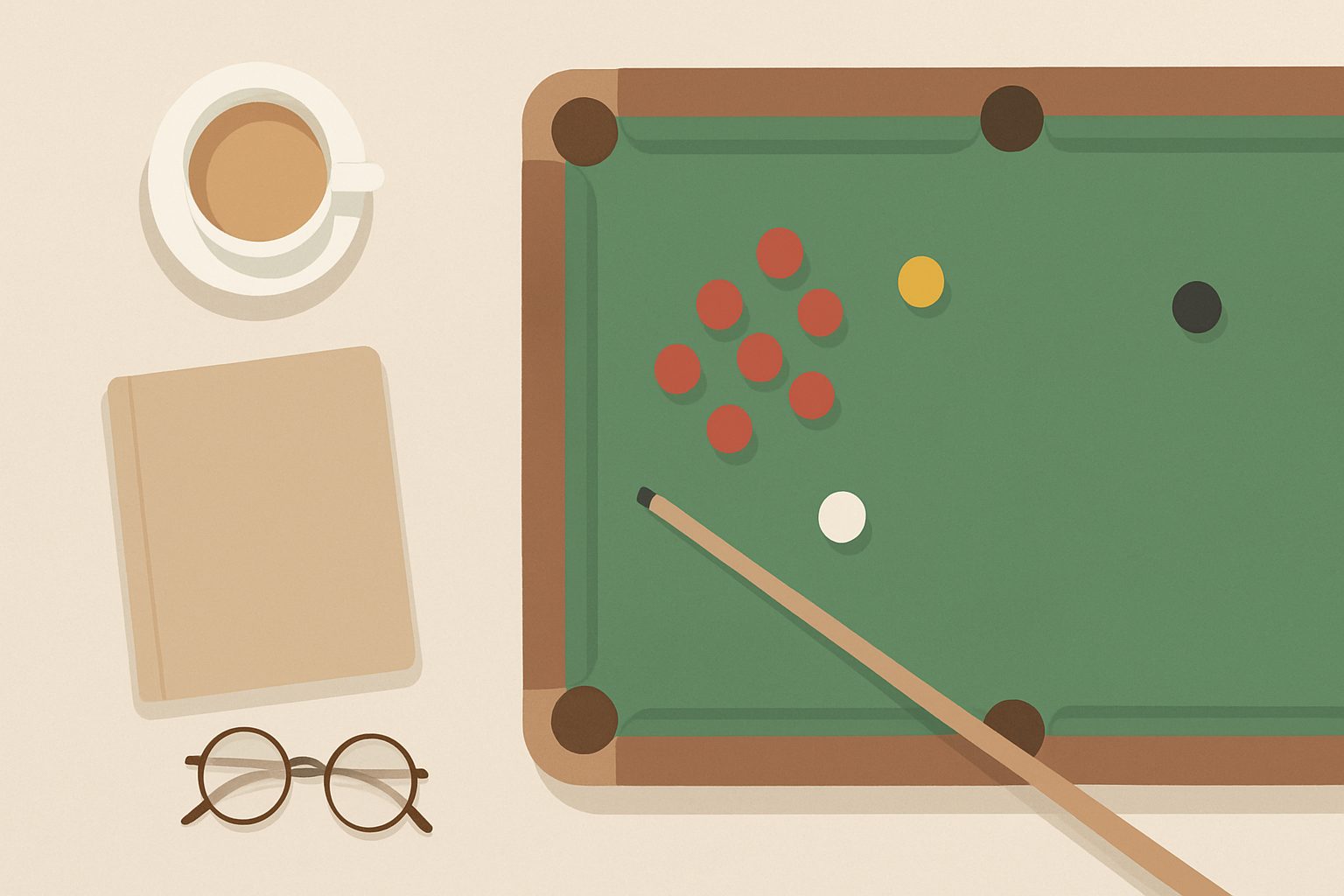
Best Snooker Tables for Beginners UK: Affordable Starter Sets That Don't Disappoint
Getting into snooker as a hobby is brilliant, but buying your first table is a big decision. You're looking at anything from £400 to several thousand pounds, and the budget options range wildly in quality. The good news is you can find a genuinely playable beginner table without spending a fortune—you just need to know what actually matters and what corners you can safely cut.
What Separates a Good Beginner Table from a Dud
The single biggest difference between snooker tables that will frustrate you and ones you'll actually enjoy playing on comes down to the playing surface. A table that doesn't run true will punish every shot, making it hard to develop proper technique and even harder to enjoy yourself.
For beginners, the practical choice is between MDF tables and budget slate tables. Full slate tables (the gold standard in clubs and proper snooker halls) are out of reach for most casual players, and honestly, they're wasted on someone still learning to break properly. But you don't want something so cheap it teaches you bad habits either.
MDF Tables: The Realistic Entry Point
Most beginner tables use MDF (medium-density fibreboard) as the playing surface. Don't let that put you off. A decent MDF table is fundamentally playable and will last years if you treat it reasonably well.
The best MDF tables have multiple layers of solid MDF—at least 25mm thick—topped with proper worsted wool felt. The thickness matters because thin MDF will warp, especially in a room that gets cold or damp in winter. Thin surfaces also absorb impact badly, so balls won't roll consistently.
What you'll notice immediately with a quality MDF table is the ball roll. It should be smooth and predictable. When you play a soft shot, the cue ball should coast gently. On a cheap table, balls either grab and slow down awkwardly or run too fast and erratic. This is usually down to the felt or an uneven surface.
Legs and frame construction matter too. Look for tables with solid wood or steel legs with proper levelling adjustable feet. You need to be able to get the table absolutely level—even a 2mm high spot across a 6-foot table throws your aim off completely.
Budget Slate Tables: Worth the Stretch
If you can stretch to £800–1,200, a 6-foot budget slate table is worth serious consideration. The difference is immediate and genuinely noticeable.
Slate is quarried stone, and it's flat. Real flat—in a way MDF simply can't match. Once you've played on proper slate, even average-quality slate, the ball control is obviously better. Your long shots hold their line. Your cue ball control is actually learnable rather than fighting the table.
Budget slate tables usually have thinner slate (12mm rather than the 38mm of professional tables) and a simpler frame, but they still outperform MDF for playability. The felt quality and thickness still varies, so check reviews—some budget slate tables use thin, cheap felt that plays faster and grainier than it should.
One realistic warning: slate tables are heavier and trickier to move. If you're renting or might relocate in the next few years, an MDF table is more practical.
Size and Space Considerations
Most beginner tables are 6 feet long, which is the standard UK domestic size. This is the sweet spot—it fits most rooms, plays like proper snooker (not pool), and is genuinely challenging enough to keep you learning.
Before you buy, measure your room carefully. You need space to move around and play full-length shots. The cue should clear the back cushion when you're at an angle. Minimum clearance around the table is about 1.5 metres on the sides and 2 metres at the head and foot. Smaller rooms mean shots you can't take, which gets old fast.
7-foot tables exist but are less common in home setups. 4-foot tables are too small for proper snooker—the angles don't develop as they should, and you'll outgrow it quickly.
Felt and Cushions
Felt quality directly affects playability. Worsted wool felt is the gold standard—it's tightly woven, durable, and plays consistently. Cheaper synthetic or acrylic felts are grainier and wear unevenly. Budget tables often cheap out here, and it's a shame because felt is replaceable but affects your table every single day.
Cushions should be firm and consistent. Badly cushioned tables will produce unpredictable rebounds and dead spots. When testing a table (many retailers have display models), try a few shots off the cushions at different angles. The rebound should be sharp and lively.
Common Beginner Mistakes to Avoid
Don't buy a folding table thinking you'll use it more because it's compact. They're universally poor for playing—wobbly, uneven surfaces that don't settle properly. Same goes with mini or novelty tables. They're not actually snooker.
Don't overlook delivery and assembly. A cheap table isn't a bargain if delivery costs £150 and you need professional setup. Ask about this upfront.
Don't buy online sight unseen unless the retailer has a solid returns policy. Playing surface quality is something you need to feel.
The Sensible Approach
A solid MDF table from an established UK retailer (there are several good ones) at £500–700 will serve you brilliantly for learning. If you're serious enough to be considering snooker as a regular hobby and can find a good budget slate table at £1,000 or under, that extra playability is worth the investment.
Pair whichever table you choose with a decent beginner cue set and a good instruction guide. The table is your foundation. Getting that right makes everything else—learning cue control, developing strategy, actually enjoying the game—genuinely possible.
More options
- Home Snooker Tables (All Sizes) (Amazon UK)
- Slate Bed Snooker Tables (Amazon UK)
- Snooker Table Accessories & Bundle Sets (Amazon UK)
- Snooker Cue Sets (Amazon UK)
- Snooker Table Cloth & Re-Clothing Kits (Amazon UK)